

Who remembers that classic show from the 1980s, Food and Drink? The presenters, Oz Clarke and Jilly Goolden, became famous for their wonderfully silly, and increasingly outrageous, wine-tasting notes. I vaguely recall “hollyhocks whooshing up your nose”, “a hint of baby’s nappy” and “like trainers on hot tarmac.”
Unfortunately, for many of us navigating mental health challenges, the tasting notes we get from that cheeky merlot may be more like “regret”, “anxious thoughts” or “deep depression.”
Because alcohol is a central nervous system depressant, despite its temporary euphoric effects, it tends to exacerbate symptoms of depression and anxiety in the long term. Regular consumption of alcohol affects the brain’s neurotransmitter balance, leading to overall worsened mood, disturbed sleep patterns, and heightened anxiety levels after the initial effects wear off.
I’ve noticed that some types of alcohol seem to have this effect more than others, but for many of us, there’s really no kind of alcohol that comes without negative side effects, and it’s best kept for special occasions or given up completely.
Fortunately, there are now lots of excellent alternatives, including many varieties of interesting soft drinks that are worth exploring. Some people say that kombucha gives a similar sensation to drinking alcohol, perhaps because it’s fermented.
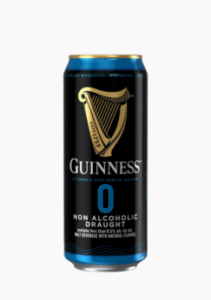
Recently, I discovered Guinness Zero which I really enjoyed, so if you’re a beer drinker, you might want to consider some of the low or no-alcohol versions. Some low-alcohol wines are okay, though I find many of them tend to be quite sweet, so that’s something to be aware of.

If you’re looking for something different, Fortnum and Mason do an excellent range of Sparkling Teas. Most of them are non-alcoholic, but for those special occasions when you want to pop open a bottle of bubbly, this might be a good alternative to champagne or prosecco.
I’ve found that lifestyle choices play a pivotal role in the journey to manage depression and other mental health challenges. Among these, the decision to abstain from alcohol stands out as a significant, positive step. While the occasional drink is often seen as harmless or even beneficial in social contexts, for those of us grappling with mental health issues, the effects of alcohol can be counterproductive to recovery and well-being.
If you’re looking for some motivation to give up alcohol, here are a few of the main benefits you may discover:
Improved Sleep Quality
I think sleep plays a crucial role in mental health management. Alcohol, even in moderate amounts, can disrupt the sleep cycle, particularly the REM stage of sleep, which is essential for emotional and cognitive balance. Abstaining from alcohol can lead to improved sleep quality, making it much easier to manage mood swings, enhance cognitive functions, and maintain a generally healthier mental state.
Enhanced Treatment Efficacy
For those undergoing treatment for mental health conditions, alcohol can interfere with medications such as antidepressants and anti-anxiety drugs, reducing their efficacy and sometimes causing dangerous side effects. Avoiding alcohol can help ensure that these treatments work more effectively, aiding in a smoother recovery process.
Emotional Stability
Alcohol can also act as an emotional numbing agent, leading us to rely on it as a coping mechanism for stress, sadness, or anxiety. This dependence can prevent the development of healthy coping strategies, creating a cycle of reliance that may hinder our emotional growth and resilience. Abstinence encourages the adoption of more constructive coping mechanisms, such as mindfulness, exercise, and therapy.
Physical Health Benefits
The decision to abstain from alcohol also brings numerous physical health benefits, including reduced risk of liver disease, heart problems, and certain cancers. It can also help you lose weight. Since physical and mental health are so deeply interconnected, improvements in physical health can contribute to a more positive mental outlook and overall well-being.
Social and Financial Positives
Abstaining from alcohol can lead to clearer communication and healthier relationships, as alcohol often contributes to misunderstandings and conflicts. If you’re on a tight budget, reducing or eliminating alcohol expenditure will keep more money in your pocket, providing extra resources for nutritious food, health care, or other activities that help support mental health.
Conclusion
Choosing to abstain from alcohol is a powerful step toward better mental health, particularly for those of us dealing with depression or other challenges. This choice not only diminishes the direct negative impacts of alcohol on mood and cognition but also opens the door to a range of benefits that support recovery and well-being.
In the meantime, if the idea of going cold turkey seems daunting, why not try it just for a month and see how you feel? You could even keep a diary to note any changes.
As awareness grows about the link between alcohol and mental health, more of us may find that not drinking is a key component in our journey to a healthier, happier life.